
修士
Signs of Life: 生きているを感じるデザイン
製品・サービスデザインスタジオ
#メディアアート#インタラクションデザイン#デザインプロトタイピング
電車の席に残るわずかな体温は、触れた瞬間に、直前までそこにいた他者の存在を知らせる。自他共にみな生きているという忘れがちなその事実を思い出させてくれる体験だ。
本研究はこのような、「誰かが生きている感じ」すなわち「生」の痕跡を感じられる体験を拡張してデザインする試みである。
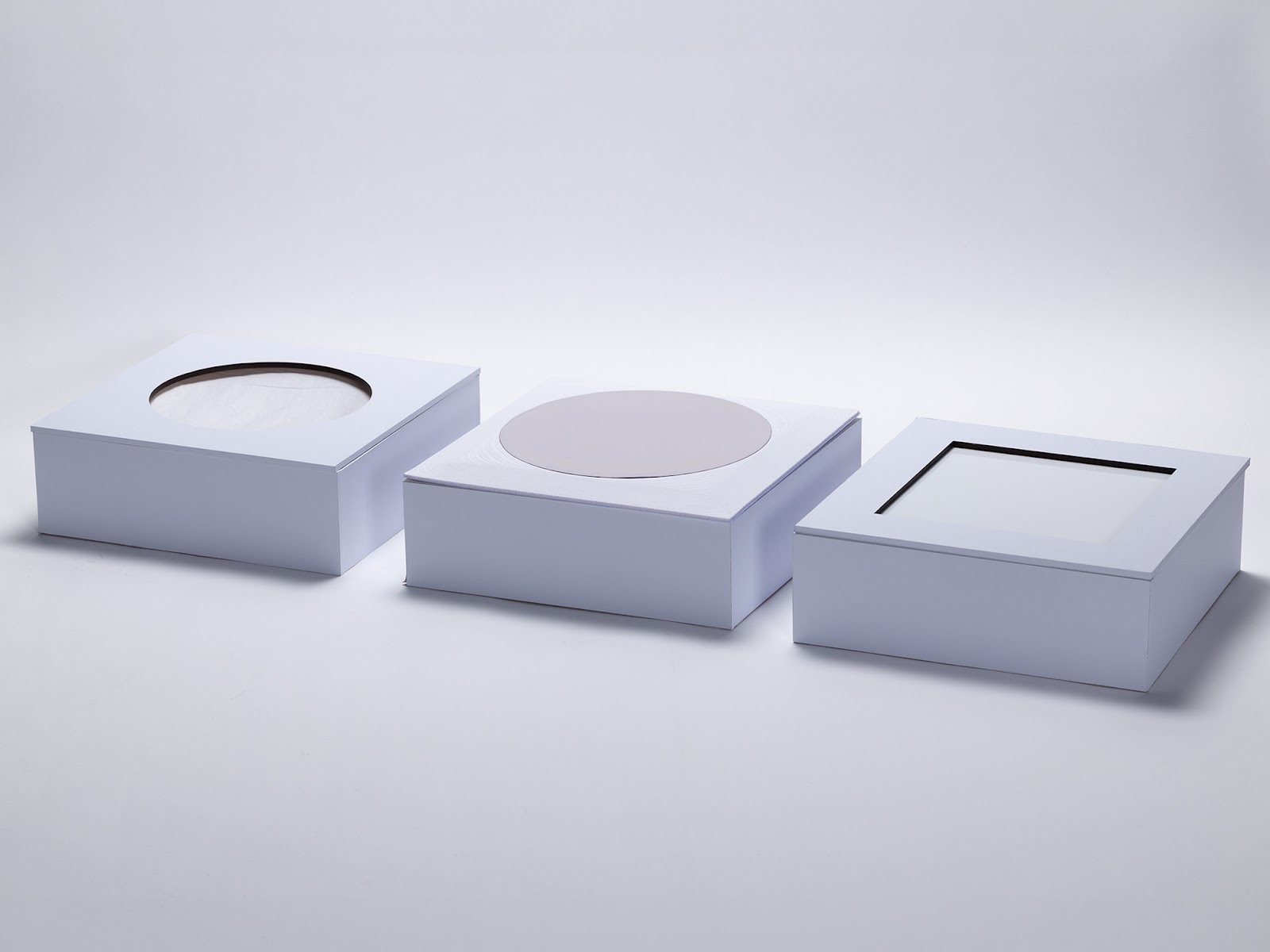
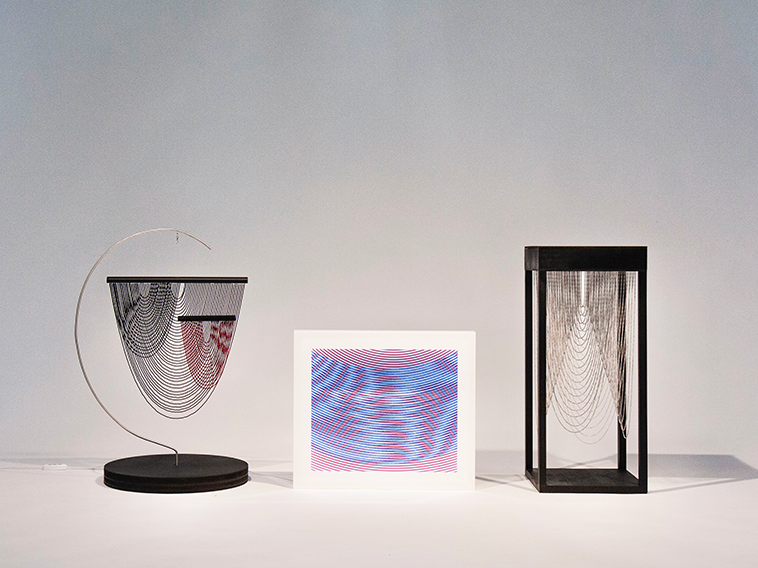
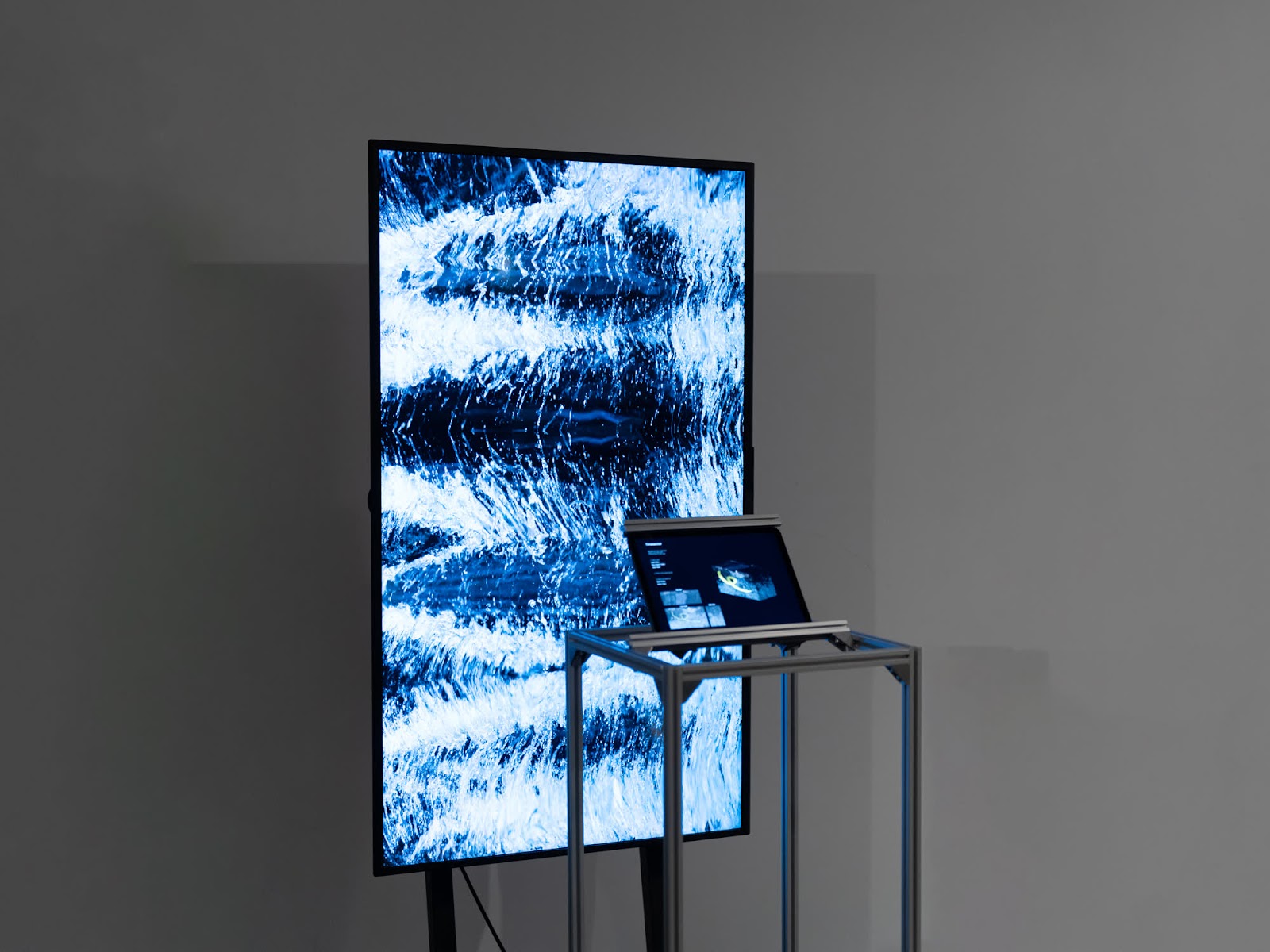
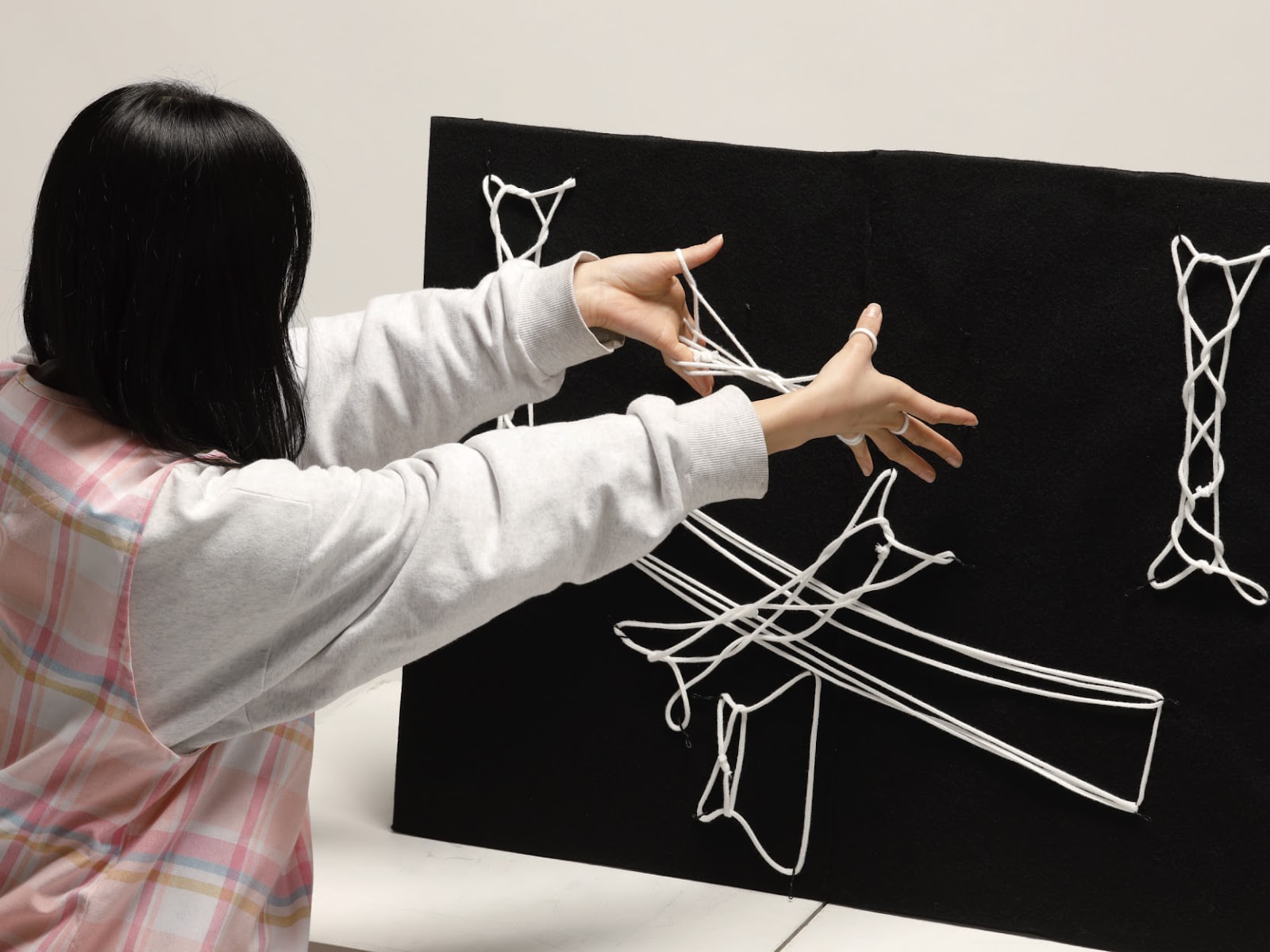
具体的には、拍動・体温・呼吸という3つの生体情報を、センサーや画像処理などで測定し、それらを保存・再提示するデバイスをそれぞれ制作した。それぞれ取得した生体情報を、面の収縮や布の起伏、残留する熱といった物理現象へ変換し提示する。
生体情報は主に、健康管理の文脈で日々利用されている。しかし、本研究では、それらを数値やグラフィックにによる管理対象としてではなく、「生きている証」や「存在感」として共有する「生体情報の情動的利用」を行なった。
触れれば確かにそこに生命の律動を感じさせる。 見知らぬ他者の存在を、情報としてではなく、身体的な実感として受け止めることができるような体験を目指した。
The faint warmth remaining in a train seat conveys the presence of another who was there just moments ago the instant it is touched. It is an experience that reminds us of the often-forgotten fact that both we and others are alive.
This research is an attempt to extend and design experiences that allow one to perceive these "traces of life"—the tangible sense that "someone is alive."
Specifically, I developed three devices that measure, store, and represent biological data—heartbeat, body temperature, and respiration—using sensors and image processing. The acquired biological information is translated into physical phenomena, such as surface contractions, undulations in fabric, and residual heat.
While biological information is primarily utilized today within the context of health management, this study treats such data not as objects of management through numerical or graphical means, but as an "affective utilization of biological information," sharing them as "proof of life" or "presence."
By touching these interfaces, one can certainly feel the rhythm of life. The objective was to create an experience where the presence of an unknown stranger is perceived not as mere information, but as a visceral, physical realization.
Map
この作品は Gallery B : B23にてご覧いただけます。
この作品に関連した作品・研究
![皮膚型インターフェースによる生物的[ヒト-モノ]コミュニケーションの構築](https://lh3.googleusercontent.com/d/1N5xbr5HXHwl2rb_dzTkxgo_Dz8XGLvK1)
お気に入りの作品
© 2026 Department of Industrial Art, Tokyo Metropolitan University