
修士
Space and Emotions: Material Manifestations of Rituality
空間デザインスタジオ
#空間デザイン#インタラクティブアーキテクチャー#スペキュラティブデザイン
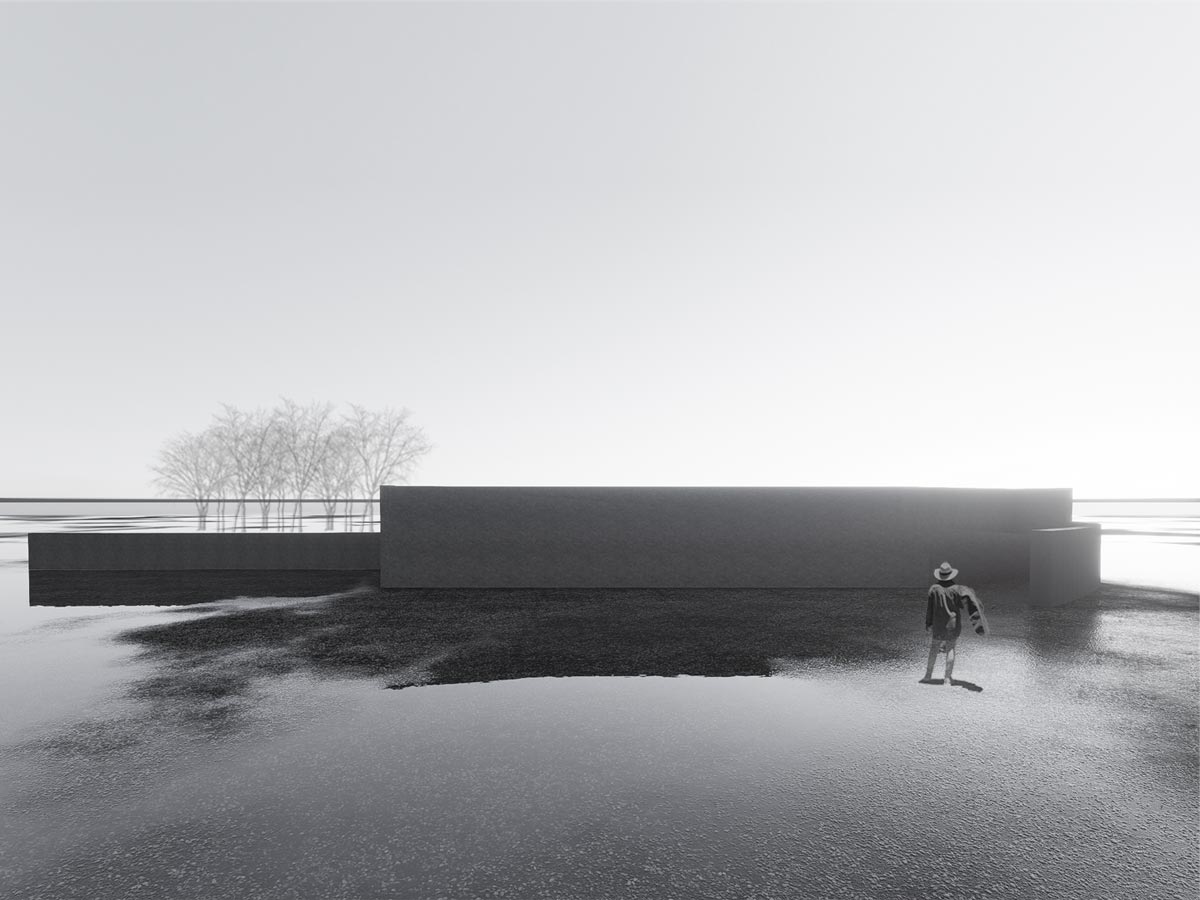
人間存在の非物質性は、私たちを取り巻く物質的環境と深く結びついている。この関係は有形と無形のあいだに共生を生み出し、空間は経験を受け止めると同時に、それを形づくる媒介となる存在である。
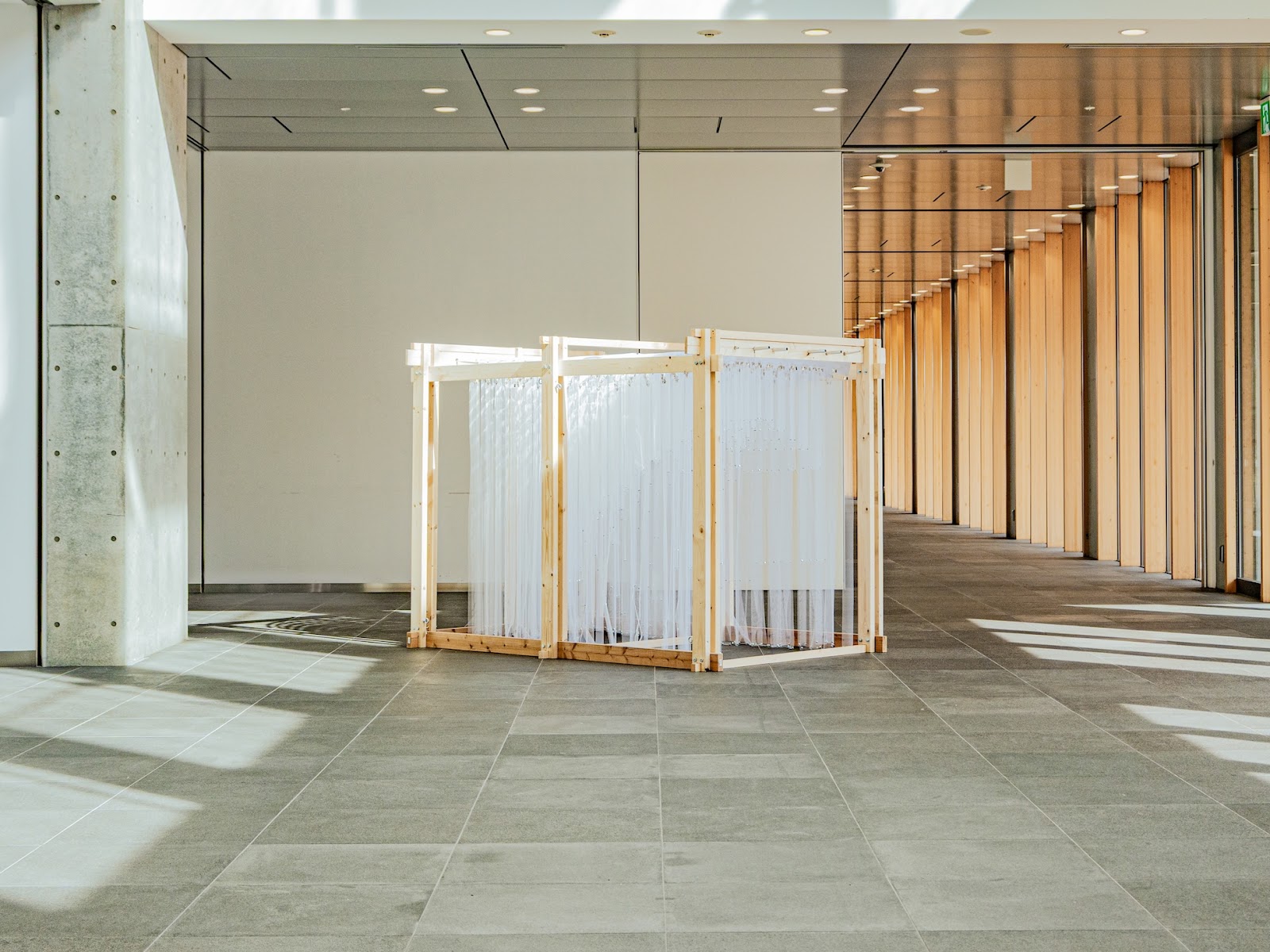
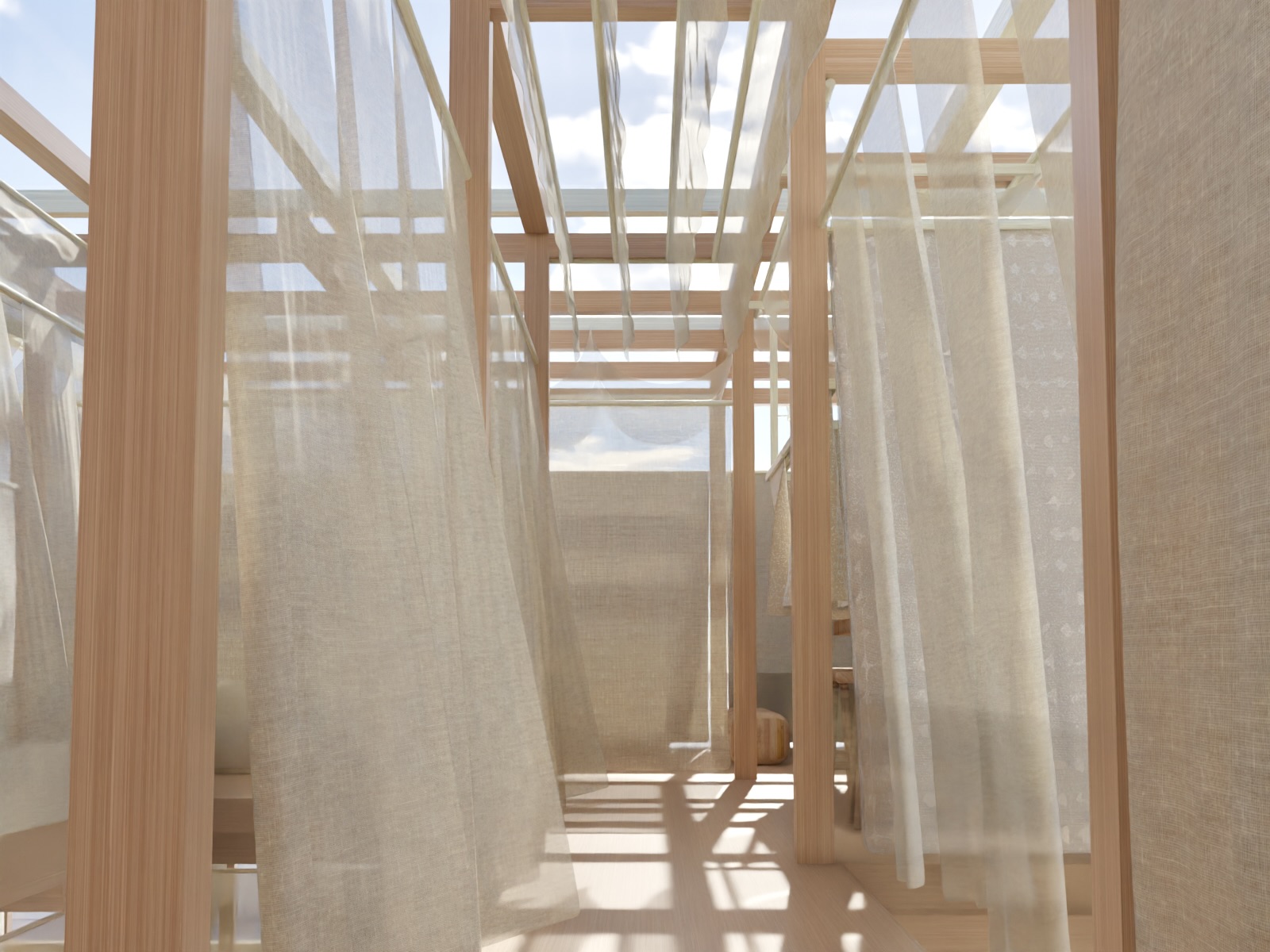
建築およびデザインは、その物質性を通して意味や物語を担うことができる。本研究および設計提案では、儀礼性を中心的な設計軸として位置づけ、現代の空間においてそれを再解釈する試みである。
儀礼は人と文化、記憶、そして場所を結びつける契機となる。また空間デザインがどのように感情を喚起し、単なる機能を超えた意義を創出し得るのかを探る視点である。
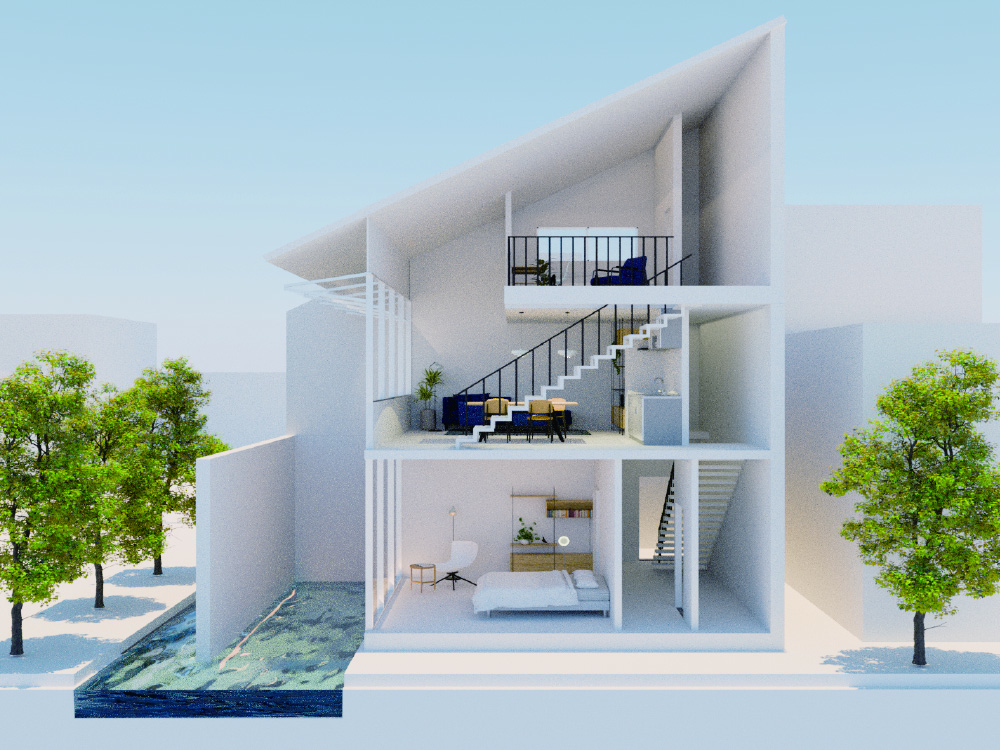
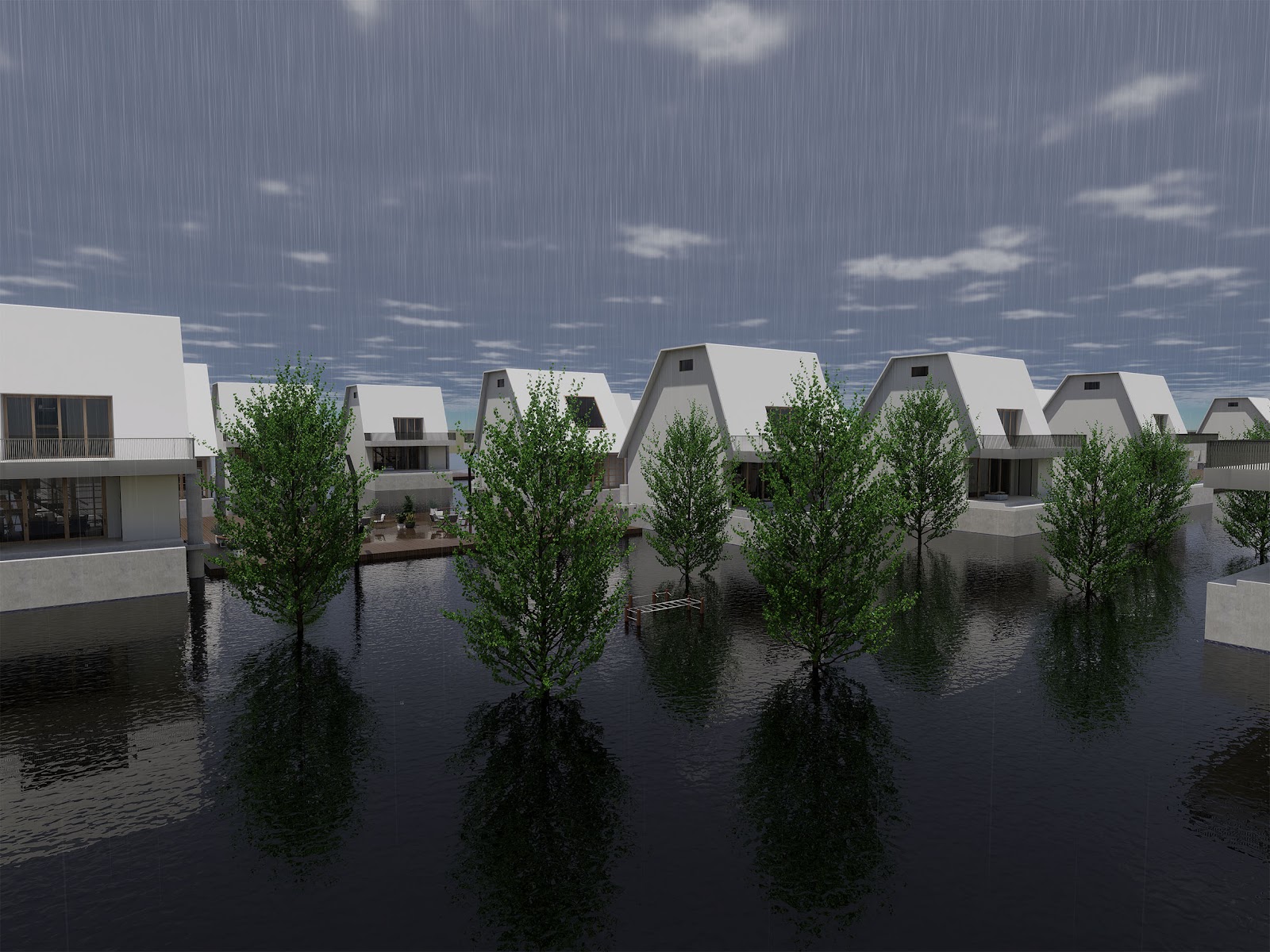
本プロジェクトは二つの並行する提案から構成される。一つはメキシコのコアトラン・デル・リオに流れるチャルマ川沿い、もう一つは東京の荒川沿いである。両者は同一の概念的枠組み、プログラム構成、空間シークエンスを共有する。同一の空間構成が異なる文化的および地理的文脈においていかなる感情的反応を生み出すのかを観察し、測定するためのプロトタイプである。
The immateriality of human existence is linked to the materiality that surround us. This relationship establishes a symbiosis between the tangible and the intangible, where space both absorbs and shapes experience.
Architecture and design, through their material nature, can and should act as carriers of meaning and narrative. This study, along with its design proposal, presents rituality as a central design axis, applied to a contemporary spatiality.
Rituals can connect people to culture, memory, and space, and can offer an important approach for exploring how spatial design can evoke emotional responses and create significance beyond mere function.
The project presents two parallel proposals: one located along the Chalma River in Coatlán del Río, Mexico and the other along the Arakawa River in Tokyo, Japan. Both share the same conceptual framework, programmatic areas, and spatial sequence. They are conceived as prototypes to observe and measure emotional responses to the same spatial configuration within two distinct cultural and geographical contexts: Mexico and Japan.
Map
この作品は Gallery A : A08にてご覧いただけます。
この作品に関連した作品・研究
お気に入りの作品
© 2026 Department of Industrial Art, Tokyo Metropolitan University